Why Strength Training Can Move the Needle on PCOS Symptoms in a Way Cardio Alone Often Doesn't
Cardio is often the default exercise recommendation for managing PCOS symptoms, but strength training specifically has a more direct line to one of the central mechanisms involved, since building actual muscle mass improves insulin sensitivity in a way that cardio-focused routines don’t reliably match.

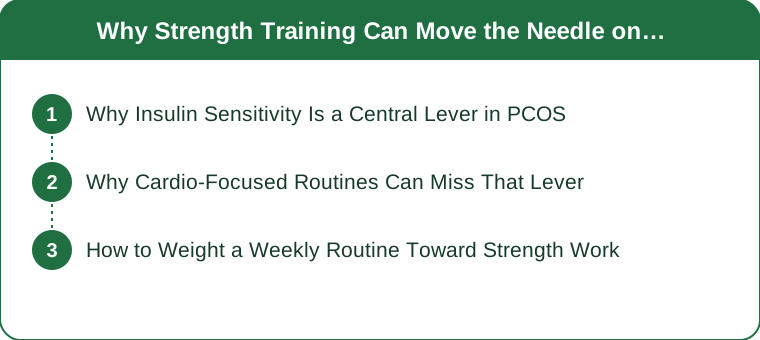
Why Insulin Sensitivity Is a Central Lever in PCOS
The mechanism: insulin-resistance-plays-a-central-role-in-driving-many-pcos-symptoms-and-skeletal-muscle-is-the-bodys-largest-site-for-clearing-glucose-from-the-bloodstream (insulin resistance playing a genuinely central role in driving many of the hormonal and metabolic symptoms associated with PCOS, and skeletal muscle tissue being the body’s single largest site for clearing glucose from the bloodstream after a meal, per the pcos-explained-kindly logic — insulin-resistance-playing-a-genuinely-central-role-in-driving-many-of-the-hormonal-and-metabolic-symptoms-associated-with-pcos-and-skeletal-muscle-tissue-being-the-bodys-single-largest-site-for-clearing-glucose-from-the-bloodstream), and the reframe (muscle tissue functioning as a direct lever on the specific mechanism driving symptoms, not just a general fitness benefit)).

Why Cardio-Focused Routines Can Miss That Lever
The gap: cardio-improves-cardiovascular-fitness-and-calorie-expenditure-effectively-but-builds-comparatively-little-new-muscle-mass-compared-with-resistance-training (cardio-based exercise improving cardiovascular fitness and overall calorie expenditure quite effectively, but building comparatively little new muscle mass relative to structured resistance training, meaning it engages the insulin-sensitivity lever less directly, per the pcos-nutrition-guide logic — cardio-based-exercise-improving-cardiovascular-fitness-and-overall-calorie-expenditure-effectively-but-building-comparatively-little-new-muscle-mass-relative-to-structured-resistance-training-meaning-it-engages-the-insulin-sensitivity-lever-less-directly), and the frame (a genuinely effective form of exercise for other goals still not being the most direct route to this particular one)).
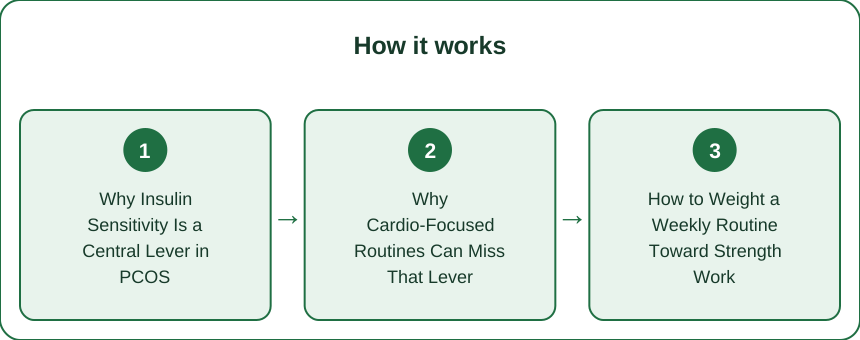
How to Weight a Weekly Routine Toward Strength Work
The plan: prioritize-two-to-three-resistance-training-sessions-per-week-hitting-major-muscle-groups-and-treat-cardio-as-a-complementary-addition-rather-than-the-primary-tool (prioritizing two to three structured resistance training sessions per week that hit the major muscle groups, and treating cardio as a genuinely complementary addition to that base rather than as the primary tool for managing symptoms, per the pcos-strength-training-guide logic — prioritizing-two-to-three-structured-resistance-training-sessions-per-week-that-hit-the-major-muscle-groups-and-treating-cardio-as-a-genuinely-complementary-addition-to-that-base-rather-than-the-primary-tool), and the frame (building muscle mass being the specific target, with cardio playing a supporting rather than leading role).
Insulin resistance plays a genuinely central role in driving many of the hormonal and metabolic symptoms associated with PCOS, and skeletal muscle tissue is the body’s single largest site for clearing glucose from the bloodstream, which gives structured resistance training a more direct line to that mechanism than cardio-focused routines, which build comparatively little new muscle mass by comparison. Prioritizing two to three resistance training sessions per week that hit the major muscle groups, and treating cardio as a complementary addition rather than the primary tool, targets that specific lever more directly. This is general information, not medical advice.
Keep Reading
This article is for general informational purposes only and is not medical advice. Always consult a qualified health professional for guidance specific to you.